Hey there! As a house wiring supplier, I often get asked, "Can I use aluminum wiring in my house?" Well, let's dive right into this topic and break it down.
First off, aluminum wiring has been around for quite a while. Back in the 1960s and 70s, when copper prices skyrocketed, aluminum became a popular alternative for house wiring. It's cheaper than copper, and at the time, it seemed like a great solution to cut down on costs during construction.
One of the main advantages of aluminum wiring is its cost - effectiveness. If you're on a tight budget for your house wiring project, aluminum can save you a significant amount of money. It's also lighter than copper, which can be a plus when it comes to installation, especially in larger buildings where weight can be a factor.


But here's the catch. Aluminum wiring has some downsides that you need to be aware of. One of the biggest issues is its tendency to expand and contract more than copper when it heats up and cools down. Over time, this can cause connections to loosen. Loose connections can lead to arcing, which is basically a sparking between the wires. Arcing is a major fire hazard, and it's one of the reasons why aluminum wiring has gotten a bit of a bad reputation.
Another problem is that aluminum oxidizes more easily than copper. Oxidation creates a layer of aluminum oxide on the surface of the wire, which can increase resistance. Higher resistance means more heat is generated in the wire, and again, this can lead to overheating and potential fire risks.
So, can you use aluminum wiring in your house? The answer is yes, but with some important considerations. If you're building a new house and considering aluminum wiring, you need to make sure that it's installed correctly. This means using special connectors that are designed to work with aluminum. These connectors are made to prevent the problems associated with expansion, contraction, and oxidation.
You also need to follow the electrical codes and regulations in your area. Some regions have specific rules about using aluminum wiring, and it's crucial to comply with them to ensure the safety of your home.
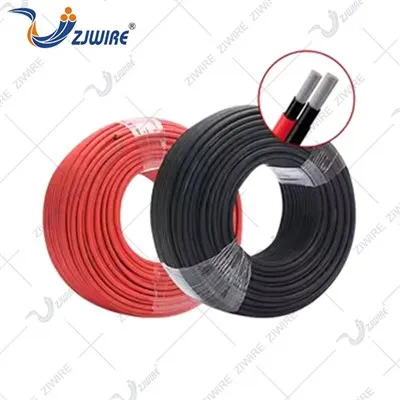
Now, let's talk about some of the wiring options we offer at our supply. We have a great selection of cables, including RV Cable, BV Cable, and RVV Cable. These cables are made with high - quality materials and are suitable for different types of house wiring projects.
The RV Cable is flexible and is often used in applications where you need a cable that can bend easily. It's great for recreational vehicles, hence the name, but it can also be used in some house wiring setups.
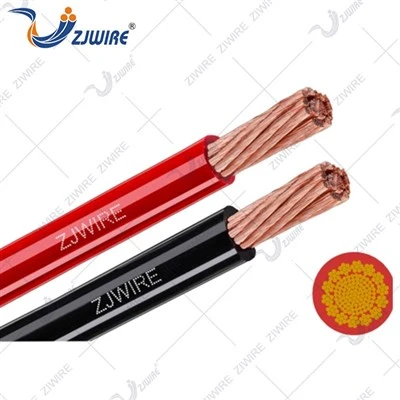
The BV Cable is a single - core cable that's commonly used for general electrical wiring in houses. It's reliable and can handle a decent amount of electrical load.
The RVV Cable is a multi - core cable that's well - suited for applications where you need to transmit multiple signals or power sources. It's often used in more complex wiring systems.
If you're still unsure about whether to use aluminum wiring or not, I'd recommend consulting with a professional electrician. They can assess your specific situation, take into account your budget, and give you the best advice on what type of wiring is right for your home.
When it comes to safety, it's always better to be cautious. If you already have aluminum wiring in your house, it's a good idea to have it inspected regularly by a qualified electrician. They can check for any signs of damage, loose connections, or overheating.
In conclusion, while aluminum wiring can be a viable option for house wiring, it's not without its challenges. But with proper installation, maintenance, and following the right procedures, you can use it safely. If you're interested in any of our wiring products, whether it's aluminum, copper, or one of our other cables, don't hesitate to reach out. We're here to help you with all your house wiring needs. We can provide you with more information, answer your questions, and assist you in making the best choices for your project. So, if you're ready to start your house wiring project or need to upgrade your existing wiring, get in touch and let's have a chat about how we can work together.
References
- "Electrical Wiring Handbook" by Tom Henry
- National Electrical Code (NEC) publications
- Industry research on aluminum and copper wiring performance