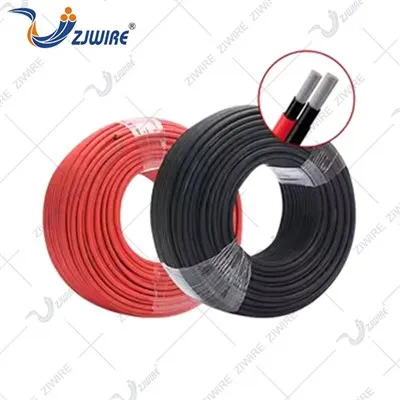
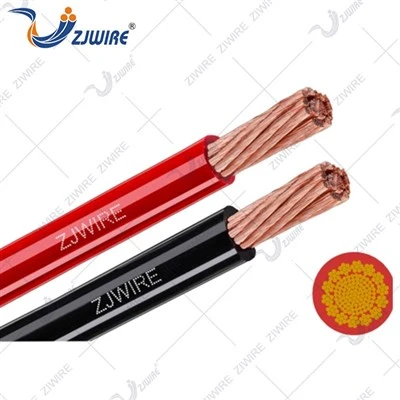
Can PVC Insulated Double Sheathed Cable Be Used Outdoors?
As a supplier of PVC insulated double sheathed cables, I often encounter inquiries from customers about the suitability of our products for outdoor use. This question is crucial as the outdoor environment presents unique challenges that cables must withstand to ensure safety and reliability. In this blog, I will delve into the factors that determine whether PVC insulated double sheathed cable can be used outdoors and provide insights to help you make an informed decision.
Understanding PVC Insulated Double Sheathed Cable
PVC (Polyvinyl Chloride) is a widely used material in cable insulation due to its excellent electrical insulation properties, flexibility, and cost - effectiveness. Double sheathed cables have an additional layer of protection, which enhances their durability and resistance to mechanical damage. The combination of PVC insulation and a double sheath makes these cables suitable for a variety of applications.
However, the outdoor environment is a different ballgame. It exposes cables to a range of harsh conditions, including extreme temperatures, moisture, UV radiation, and physical abrasion. Therefore, we need to assess how well PVC insulated double sheathed cables can handle these challenges.
Temperature Resistance
One of the primary concerns when using cables outdoors is temperature variation. PVC has a certain temperature range within which it can function effectively. In general, standard PVC insulated cables can operate within a temperature range of - 20°C to 60°C. Extreme cold can make the PVC brittle, increasing the risk of cracking, while high temperatures can cause the PVC to soften and lose its insulating properties.
If you live in an area with mild temperature fluctuations, PVC insulated double sheathed cables may be suitable for outdoor use. However, in regions with extreme cold or heat, you may need to consider cables with enhanced temperature resistance. For example, some specialized PVC formulations can withstand temperatures as low as - 40°C or as high as 90°C.
Moisture and Water Resistance
Moisture is another significant factor in outdoor environments. Water can seep into the cable, causing corrosion of the conductors and reducing the cable's performance. PVC is generally resistant to moisture, but prolonged exposure to water can still have a negative impact.
The double sheath in PVC insulated double sheathed cables provides an extra layer of protection against water ingress. However, if the cable is to be buried underground or submerged in water, additional waterproofing measures may be required. Some cables are designed with a waterproof jacket or a gel - filled core to prevent water from reaching the conductors.
UV Radiation
UV radiation from the sun can cause the PVC to degrade over time. Prolonged exposure to sunlight can lead to discoloration, cracking, and a reduction in the cable's mechanical and electrical properties. To combat this, some PVC insulated double sheathed cables are treated with UV stabilizers. These stabilizers help to protect the PVC from the harmful effects of UV radiation, extending the cable's lifespan when used outdoors.
Physical Abrasion
Outdoor cables are often subject to physical abrasion from various sources, such as moving objects, animals, or rough terrain. The double sheath in PVC insulated double sheathed cables provides some protection against abrasion. However, in high - traffic areas or where there is a high risk of physical damage, additional protective measures may be necessary. For example, you can use cable conduits or armor the cable to enhance its resistance to abrasion.
UL - Listed Cables for Outdoor Use
When considering outdoor use of PVC insulated double sheathed cables, it is important to look for cables that meet relevant industry standards. UL (Underwriters Laboratories) is a well - known organization that sets safety standards for electrical products.


For outdoor applications, you may consider UL1015 Cable. This cable is designed for general - purpose wiring and has certain characteristics that make it suitable for outdoor use under appropriate conditions. Another option is UL3321 Cable, which is specifically designed for use in outdoor and wet locations. UL11267 Cable is also a good choice for outdoor applications, offering enhanced protection against environmental factors.
Conclusion
In conclusion, PVC insulated double sheathed cables can be used outdoors, but it depends on several factors. If the outdoor environment has mild conditions, with moderate temperature variations, low moisture levels, and minimal physical abrasion, standard PVC insulated double sheathed cables may be sufficient. However, in more challenging environments, such as areas with extreme temperatures, high humidity, or high UV exposure, you may need to choose cables with enhanced properties or additional protective features.
As a supplier of PVC insulated double sheathed cables, we are committed to providing high - quality products that meet your specific needs. If you are considering using our cables for outdoor applications, we encourage you to contact us for more information. Our team of experts can help you select the right cable for your project and provide guidance on installation and maintenance. Whether you are working on a small residential project or a large commercial installation, we have the products and expertise to support you.
References
- National Electrical Code (NEC)
- UL Standards for Electrical Cables
- Technical literature on PVC materials and cable manufacturing