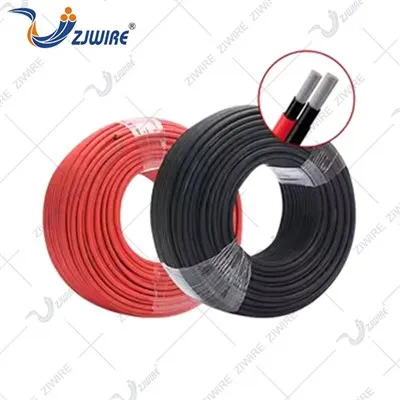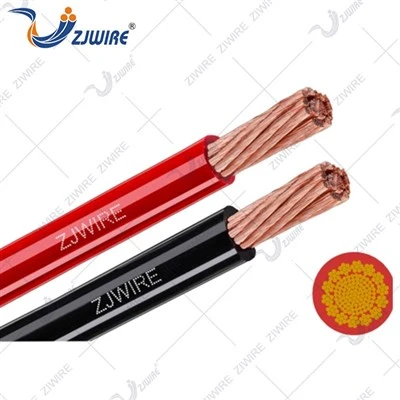
When it comes to electrical installations and setups, the safety of cables is paramount. As a reputable supplier of European standard cables, we understand the significance of adhering to strict safety features. In this blog post, we'll delve into the key safety features of European standard cables, exploring what makes them a reliable choice for various applications.
Insulation Material Quality
One of the fundamental safety aspects of European standard cables lies in the quality of their insulation materials. European standards enforce rigorous testing and selection of insulation materials to ensure they can withstand different environmental and electrical conditions. These materials are designed to have high dielectric strength, which means they can effectively prevent electrical current from leaking out of the cable. For instance, many European cables use cross - linked polyethylene (XLPE) or ethylene propylene rubber (EPR) as insulation. XLPE offers excellent thermal and electrical properties, with high resistance to heat, moisture, and chemicals. This makes it suitable for both indoor and outdoor applications, reducing the risk of short - circuits and electrical fires.
Flame Retardancy
Flame retardancy is a crucial safety feature in European standard cables. Cables are often required to meet specific flame - retardant standards such as IEC 60332, which assesses the ability of cables to limit the spread of fire. European cables are engineered to self - extinguish when exposed to a flame source. This is achieved by incorporating flame - retardant additives into the insulation and sheathing materials. In case of a fire, these cables will not contribute significantly to the spread of the flames, providing valuable time for evacuation and fire - fighting efforts. For example, cables used in public buildings, such as hospitals and schools, must meet strict flame - retardant requirements to ensure the safety of occupants.
Resistance to Environmental Factors
European standard cables are designed to resist a wide range of environmental factors. They are tested for their performance in extreme temperatures, humidity, and exposure to chemicals. For cold environments, cables are required to remain flexible at low temperatures, preventing cracking and damage to the insulation. In hot climates, the cables must be able to withstand high temperatures without degrading their electrical properties. Additionally, cables used in industrial settings are often exposed to chemicals and oils. European standard cables are made with materials that can resist the corrosive effects of these substances, ensuring long - term reliability and safety.


Mechanical Protection
Mechanical protection is another important aspect of European standard cables. The cables are constructed with robust sheathing materials that can withstand physical damage. This is particularly important in applications where the cables may be subject to abrasion, impact, or bending. For example, cables used in construction sites or mining operations need to be able to withstand rough handling. The sheathing of European cables provides a barrier against cuts, punctures, and other forms of mechanical damage, protecting the inner conductors and insulation. Some cables also have additional armor layers, such as steel wire or tape, for added mechanical strength.
Low Smoke and Halogen - Free Properties
In the event of a fire, the production of smoke and toxic gases can be as dangerous as the fire itself. European standard cables often feature low smoke and halogen - free (LSZH) properties. LSZH cables produce minimal smoke when burned, which improves visibility during an evacuation. Moreover, they do not release halogen - based toxic gases, such as hydrogen chloride, which can cause respiratory problems and damage to electronic equipment. This makes LSZH cables a preferred choice for applications in enclosed spaces, such as subway tunnels, airports, and data centers.
Compliance with Electrical Standards
European standard cables are required to comply with a series of electrical standards that govern their electrical performance and safety. These standards ensure that the cables can carry the specified amount of current without overheating or causing electrical failures. For example, the cross - sectional area of the conductors is carefully calculated to meet the current - carrying capacity requirements. Additionally, the cables must have low impedance to minimize power losses and ensure efficient electrical transmission. Compliance with these electrical standards is verified through extensive testing, including conductor resistance testing, insulation resistance testing, and voltage withstand testing.
Protection against Electrical Overloads
European standard cables are designed to protect against electrical overloads. They are equipped with appropriate over - current protection mechanisms, either built - in or in conjunction with external protective devices. The insulation and conductors are sized to handle normal operating currents plus a certain margin for short - term overloads. In addition, the cables are often used in combination with circuit breakers or fuses that can quickly interrupt the electrical circuit in the event of an overload, preventing damage to the cable and reducing the risk of fire.
Examples of European Standard Cables and Their Safety Features
Let's take a look at some specific European standard cables and their associated safety features:
-
H05V - F: This cable, as described on our H05V - F page, is a single - core cable commonly used for low - voltage applications. It has a PVC insulation and sheath, which provides good electrical insulation and mechanical protection. The PVC material is also flame - retardant, ensuring safety in case of a fire. With its small cross - sectional area, it can be easily installed in tight spaces while still meeting the safety requirements for low - power electrical circuits.
-
H07RN - F: The H07RN - F cable is a flexible rubber - sheathed cable used for a wide range of applications, including portable electrical equipment. It has excellent resistance to abrasion, oil, and chemicals, making it suitable for use in harsh environments. The rubber sheath also provides good mechanical protection and flexibility, reducing the risk of damage during installation and use. Additionally, it meets the relevant flame - retardant standards, ensuring safety in various settings.
-
H07V - U: Our H07V - U cable is a single - core cable with a PVC insulation and sheath. It is designed for fixed installations in dry and damp locations. The cable has good electrical insulation properties and is resistant to environmental factors such as moisture and temperature variations. The PVC material used in its construction is flame - retardant, providing an added layer of safety in electrical installations.
Why Choose European Standard Cables from Our Supplier
As a leading supplier of European standard cables, we take pride in offering products that meet the highest safety and quality standards. Our cables are manufactured using state - of - the - art technology and strict quality control processes. We source our raw materials from reliable suppliers and conduct extensive testing on every batch of cables to ensure they comply with European standards.
In addition to the safety features mentioned above, we also provide excellent customer service. Our team of experts can assist you in selecting the right cable for your specific application, taking into account factors such as voltage, current, environment, and installation requirements. We understand that the safety of your electrical systems is of utmost importance, and we are committed to providing you with the best solutions.
Contact Us for Procurement
If you are in need of high - quality European standard cables for your project, we invite you to contact us for procurement. Our experienced sales team is ready to discuss your requirements, provide detailed product information, and offer competitive pricing. Whether you are a small - scale contractor or a large industrial enterprise, we have the right cables to meet your needs. Ensuring the safety of your electrical installations starts with choosing the right cables, and we are here to help you make the best decision.
References
- IEC 60332: Tests on electric and optical fibre cables under fire conditions - Part 1 - 2: Test for vertical flame propagation for a single insulated wire or cable - Procedure for 1 kW pre - mixed flame
- European Committee for Electrotechnical Standardization (CENELEC) standards on electrical cables and wires
- Manufacturer's specifications and technical documentation for European standard cables