


Hey there! If you're knee - deep in a project and scratching your head over how to pick the right parallel twin wire, you've come to the right place. I'm a supplier of parallel twin wires, and I've seen it all when it comes to different projects and the wire requirements that go with them. So, let's break this down and make the selection process a whole lot easier.
Understanding Your Project
First things first, you gotta take a good look at your project. What's it for? Is it for a simple home wiring job, like setting up some new lights in your living room? Or is it for a more industrial - scale project, such as powering machinery in a factory?
For a home project, you're likely dealing with lower voltage and amperage requirements. You don't need a super - heavy - duty wire for tasks like adding a new outlet in your kitchen. In this case, you can go for something more lightweight and cost - effective.
On the other hand, industrial projects usually demand wires that can handle high voltages, high temperatures, and tough environmental conditions. You need wires that are built to last and won't break down under the stress of continuous operation.
Voltage and Amperage Requirements
Voltage and amperage are two crucial factors when choosing the right parallel twin wire. Voltage is the force that pushes the electrical current through the wire, and amperage is the amount of current flowing through it.
You need to know the voltage and amperage requirements of your project. You can usually find this information in the project's specifications or the equipment's user manual. Once you know these values, you can select a wire that can handle them.
For example, if you're working on a project that requires 120 volts and 15 amps, you'll need a wire that's rated for at least that much. Using a wire with a lower rating can lead to overheating, which is not only a fire hazard but can also damage your equipment.
Wire Gauge
Wire gauge is another important consideration. It refers to the thickness of the wire. The lower the gauge number, the thicker the wire. Thicker wires can carry more current without overheating.
If your project has high amperage requirements, you'll need a lower - gauge wire. For instance, a 10 - gauge wire can handle more current than a 14 - gauge wire. But keep in mind that thicker wires are also more expensive and less flexible. So, you gotta find the right balance based on your project's needs and your budget.
Insulation Material
The insulation on the wire plays a vital role in protecting it from damage and ensuring safe operation. There are different types of insulation materials available, each with its own characteristics.

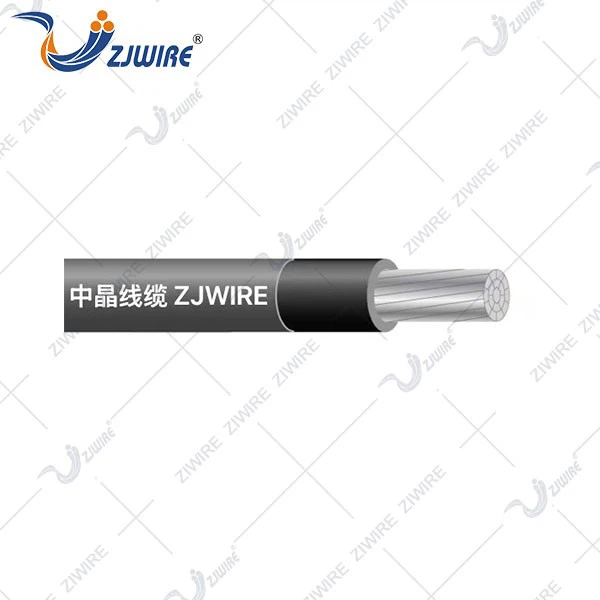
PVC (Polyvinyl Chloride) insulation is one of the most common types. It's affordable, flexible, and offers good resistance to moisture and chemicals. It's suitable for many home and light - commercial applications.
XLPE (Cross - Linked Polyethylene) insulation is more durable and can withstand higher temperatures. It's often used in industrial and high - voltage applications where heat resistance is crucial.
When choosing the insulation material, consider the environmental conditions your wire will be exposed to. If it'll be in a wet area, you'll need an insulation material that's water - resistant. If it'll be near chemicals, you'll want a material that can resist chemical corrosion.
Types of Parallel Twin Wires
There are several types of parallel twin wires out there, and each is designed for specific applications.
- THHN/THWN/THWN - 2: These wires are popular for general - purpose electrical wiring in buildings. The THHN/THWN/THWN - 2 wires are known for their good insulation properties and can handle a wide range of temperatures. They're often used in residential and commercial wiring projects.
- UL1185 Cable: This type of cable is commonly used in data communication applications. It's designed to provide reliable signal transmission and has good resistance to electromagnetic interference. Check out the UL1185 Cable if you're working on a project that involves data transfer.
- UL1284 Cable: UL1284 cables are used for low - voltage applications, such as doorbells and security systems. They're lightweight and easy to install. You can learn more about UL1284 Cable and see if it fits your project.
- NM - B Cable: NM - B cables are non - metallic sheathed cables commonly used for residential wiring. They're easy to work with and are suitable for wiring outlets, switches, and lighting fixtures in homes. Find out more about NM - B Cable and its features.
- UL10503 Cable: This cable is often used in automotive and marine applications. It's designed to withstand the harsh conditions found in these environments, such as vibration, moisture, and temperature changes. Check the UL10503 Cable if your project is in the automotive or marine field.
Environmental Considerations
Your project's environment can have a big impact on the wire you choose. If the wire will be exposed to sunlight, you need a wire with UV - resistant insulation. Sunlight can break down the insulation over time, leading to safety issues.
If the wire will be in a high - temperature area, like near a furnace or a boiler, you'll need a wire with high - temperature - resistant insulation. Similarly, if it'll be in a wet or damp area, such as a basement or an outdoor installation, you need a water - resistant wire.
Cost and Budget
Of course, cost is always a factor. You want to get the best wire for your project without breaking the bank. While it might be tempting to go for the cheapest option, remember that quality matters. A low - quality wire might save you some money upfront, but it could end up costing you more in the long run if it fails or causes problems.
On the other hand, you don't have to over - spend. Look for a wire that meets your project's requirements and fits within your budget. Sometimes, you can find a good balance between cost and quality by shopping around and comparing different suppliers.
Supplier Reputation
As a parallel twin wire supplier, I know how important it is to choose a reputable supplier. A good supplier will offer high - quality wires, provide accurate information about their products, and offer good customer service.
You can check online reviews and ask for recommendations from others in the industry. A supplier with a solid reputation is more likely to stand behind their products and help you if you run into any issues.
Testing and Certification
Make sure the wire you choose has the necessary testing and certification. Certifications like UL (Underwriters Laboratories) certification indicate that the wire has met certain safety and performance standards.
Testing can also give you peace of mind. You can ask your supplier if they offer any testing services or if they can provide test reports for the wires they sell.
Lead Time
Consider the lead time when ordering your parallel twin wire. If your project has a tight deadline, you'll need a supplier who can deliver the wire quickly. Some suppliers might have a shorter lead time than others, so it's worth asking about this upfront.
Conclusion
Choosing the right parallel twin wire for your project can seem like a daunting task, but by following these steps and considering all the factors we've discussed, you can make an informed decision. Remember to understand your project's requirements, pay attention to voltage, amperage, wire gauge, insulation material, and environmental conditions. Look at the different types of parallel twin wires available and choose the one that suits your needs the best.
If you have any questions or need further advice on choosing the right parallel twin wire for your project, don't hesitate to reach out. We're here to help you make the right choice and ensure the success of your project. Whether you're a DIY enthusiast working on a small home project or a professional in the industry tackling a large - scale job, we've got the wire solutions you need.
So, let's start the conversation and get you the perfect parallel twin wire for your project!


