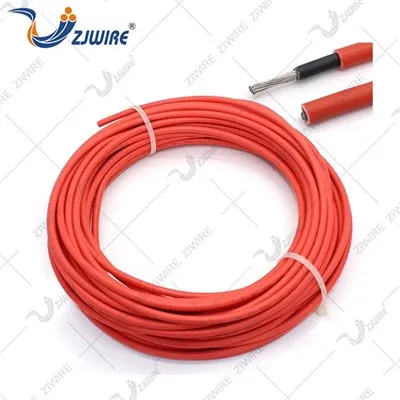
Selecting the appropriate solar cable for your solar panel system is a crucial decision that can significantly impact the efficiency, safety, and longevity of your setup. As a solar cable supplier, I understand the complexities involved in this process and am here to guide you through the key considerations to ensure you make the right choice.
Understanding the Basics of Solar Cables
Solar cables are specifically designed to withstand the harsh environmental conditions typically encountered in solar power systems. They are used to connect solar panels to inverters, charge controllers, and other components of the system. The primary function of these cables is to carry the direct current (DC) generated by the solar panels to the inverter, where it is converted into alternating current (AC) for use in your home or business.
One of the most common types of solar cables is the PV1-F cable. This type of cable is widely used in solar installations due to its high resistance to UV radiation, ozone, and extreme temperatures. PV1-F cables are available in different cross-sectional areas, such as PV1-F 2.5 and PV1-F 4.0, which determine their current-carrying capacity.
Key Factors to Consider When Choosing Solar Cables
1. Cable Size
The size of the cable, also known as the cross-sectional area, is a critical factor in determining its current-carrying capacity. A cable that is too small for the amount of current it needs to carry can overheat, leading to energy losses and potential safety hazards. To determine the appropriate cable size, you need to consider the maximum current output of your solar panels and the length of the cable run.
As a general rule, the longer the cable run, the larger the cable size you will need. This is because longer cables have higher resistance, which can cause voltage drops. Voltage drops can reduce the efficiency of your solar panel system and may even damage your equipment. You can use online calculators or consult with a professional to determine the correct cable size for your specific installation.
2. Temperature Rating
Solar cables are exposed to a wide range of temperatures, from extreme heat during the day to cold nights. Therefore, it is essential to choose cables with a high temperature rating to ensure they can withstand these conditions without degrading. PV1-F cables, for example, are designed to operate in temperatures ranging from -40°C to +90°C, making them suitable for most solar installations.
3. UV and Ozone Resistance
Solar panels are typically installed outdoors, where they are exposed to sunlight and ozone. UV radiation can cause the insulation of the cables to degrade over time, leading to potential safety issues. Similarly, ozone can also damage the cable insulation. Therefore, it is important to choose cables that are resistant to UV radiation and ozone. PV1-F cables are specifically designed to have excellent UV and ozone resistance, ensuring long-term performance and reliability.
4. Voltage Rating
The voltage rating of the cable should match the voltage of your solar panel system. Using a cable with a lower voltage rating than the system can result in insulation breakdown and electrical shock. Most solar panel systems operate at a voltage of 12V, 24V, or 48V, so make sure to choose a cable with an appropriate voltage rating.
5. Certification
When choosing solar cables, it is important to look for cables that are certified to meet international standards. Certifications such as TÜV, UL, and CE indicate that the cables have been tested and meet the required safety and performance standards. Using certified cables ensures that your solar panel system is safe and reliable.
Different Types of Solar Cables
There are several types of solar cables available on the market, each with its own advantages and disadvantages. Here are some of the most common types:
PV1-F Cables
As mentioned earlier, PV1-F cables are the most widely used type of solar cables. They are known for their high resistance to UV radiation, ozone, and extreme temperatures. PV1-F cables are available in different cross-sectional areas, making them suitable for a variety of solar panel systems.
USE-2 Cables
USE-2 cables are another type of solar cable that is commonly used in residential and commercial solar installations. These cables are designed for direct burial and are suitable for use in wet or dry locations. USE-2 cables have a higher temperature rating than PV1-F cables, making them a good choice for high-temperature environments.
Tray Cables
Tray cables are used in solar installations where the cables are installed in cable trays or raceways. These cables are designed to be flexible and easy to install, making them a popular choice for large-scale solar projects. Tray cables are available in different configurations, including single-conductor and multi-conductor cables.
Installation Considerations
Once you have chosen the right solar cable for your system, it is important to install it correctly to ensure optimal performance and safety. Here are some installation considerations:
Proper Termination
Proper termination of the cables is essential to ensure a secure and reliable connection. Make sure to use the correct connectors and follow the manufacturer's instructions for terminating the cables. Improper termination can lead to loose connections, which can cause energy losses and potential safety hazards.
Cable Routing
The routing of the cables is also important to ensure that they are protected from damage and interference. Avoid routing the cables near sharp edges, hot surfaces, or other sources of potential damage. Make sure to use cable ties or clamps to secure the cables in place and prevent them from moving or rubbing against other objects.
Grounding
Proper grounding of the solar panel system is essential to ensure safety. Make sure to connect the cables to a grounding system that meets the local electrical codes. Grounding helps to protect the system from electrical surges and lightning strikes.
Conclusion
Choosing the right solar cable for your solar panel system is a critical decision that can have a significant impact on the performance and safety of your setup. By considering the factors discussed in this blog, such as cable size, temperature rating, UV and ozone resistance, voltage rating, and certification, you can ensure that you select the appropriate cable for your specific needs.
If you have any questions or need further assistance in choosing the right solar cable for your system, please feel free to contact us for a consultation. Our team of experts is here to help you make the best decision for your solar panel system.