


As a seasoned supplier of Flexible cable PVC insulated cable, I've witnessed firsthand the challenges that static electricity can pose to these cables. Static electricity can not only disrupt the normal operation of electrical systems but also lead to potential safety hazards. In this blog, I'll share some effective strategies to prevent static electricity on flexible cable PVC insulated cables.
Understanding the Causes of Static Electricity on PVC Insulated Cables
Before delving into prevention methods, it's crucial to understand why static electricity occurs on PVC insulated cables. PVC, or polyvinyl chloride, is a common insulating material known for its excellent electrical insulation properties. However, it is also prone to generating static electricity due to its high resistance and the friction that occurs during cable installation, movement, or operation.
When two materials rub against each other, electrons are transferred from one material to the other, creating an imbalance of charges. In the case of PVC insulated cables, this can happen when the cable is bent, coiled, or pulled, especially in dry environments. The accumulated static charge can then discharge suddenly, causing interference with electrical signals, damage to sensitive electronic components, or even sparking, which can be a fire hazard.
Strategies to Prevent Static Electricity on Flexible Cable PVC Insulated Cables
1. Use Anti - Static Additives
One of the most effective ways to prevent static electricity on PVC insulated cables is to incorporate anti - static additives into the PVC insulation material. These additives work by reducing the surface resistance of the PVC, allowing the static charge to dissipate more easily. Anti - static additives can be in the form of conductive polymers, carbon black, or other conductive materials.
When selecting anti - static additives, it's important to consider factors such as the type of cable application, the operating environment, and the required level of static protection. For example, in high - humidity environments, a different type of anti - static additive may be more suitable than in dry environments.
2. Grounding
Proper grounding is essential for preventing static electricity on flexible cable PVC insulated cables. Grounding provides a path for the static charge to flow safely to the ground, reducing the risk of static buildup. All cables should be connected to a reliable grounding system, which can be a dedicated grounding wire or a grounding rod.
During installation, ensure that the grounding connection is secure and that the grounding wire has low resistance. This will help to effectively dissipate the static charge and prevent it from accumulating on the cable.
3. Control the Environment
The environment in which the cables are used can have a significant impact on static electricity generation. Dry environments are more prone to static buildup, so increasing the humidity level can help to reduce static electricity. This can be achieved by using humidifiers in enclosed spaces where the cables are installed.
In addition, avoid exposing the cables to extreme temperatures and rapid temperature changes, as these can also contribute to static electricity generation. Maintaining a stable operating environment will help to minimize the risk of static buildup on the cables.
4. Proper Cable Handling
Proper handling of flexible cable PVC insulated cables during installation and operation can also help to prevent static electricity. Avoid excessive bending, coiling, or pulling of the cables, as this can generate friction and increase the likelihood of static charge buildup.

When installing the cables, use smooth - surfaced tools and avoid rough handling. This will reduce the friction between the cable and the installation equipment, minimizing the generation of static electricity.
Examples of Our Flexible Cable PVC Insulated Cables
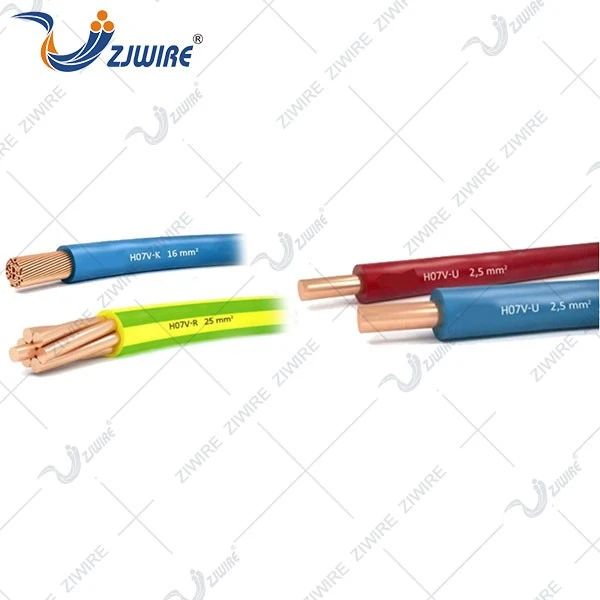
We offer a wide range of flexible cable PVC insulated cables, including H07V - K, H07V2 - K Cable, and H05RN - F Cable. These cables are designed with high - quality PVC insulation and incorporate advanced anti - static technologies to ensure reliable performance and protection against static electricity.
The H07V - K cable is a popular choice for general electrical applications. It features a flexible PVC insulation that provides excellent electrical insulation and mechanical protection. Our H07V - K cable is treated with anti - static additives to minimize static buildup, making it suitable for use in a variety of environments.
The H07V2 - K Cable is a more heavy - duty option, designed for applications that require higher mechanical strength and durability. It also has enhanced anti - static properties, ensuring stable operation even in challenging conditions.
The H05RN - F Cable is commonly used in portable electrical equipment. Its flexible design and anti - static insulation make it ideal for applications where the cable needs to be moved frequently.
Conclusion
Preventing static electricity on flexible cable PVC insulated cables is crucial for ensuring the reliable operation of electrical systems and minimizing safety risks. By using anti - static additives, proper grounding, controlling the environment, and practicing proper cable handling, you can effectively reduce the risk of static buildup on your cables.
If you're in the market for high - quality flexible cable PVC insulated cables, we're here to help. Our cables are designed to meet the highest standards of quality and performance, with advanced anti - static features to protect your electrical systems. Contact us today to discuss your specific requirements and explore our range of products.


