


Hey there! As a supplier of double sheathed cables, I've been in the game for quite a while, and I know how crucial it is to ensure the quality of these cables. In this blog, I'm gonna share with you how to test the quality of double sheathed cables.
Visual Inspection
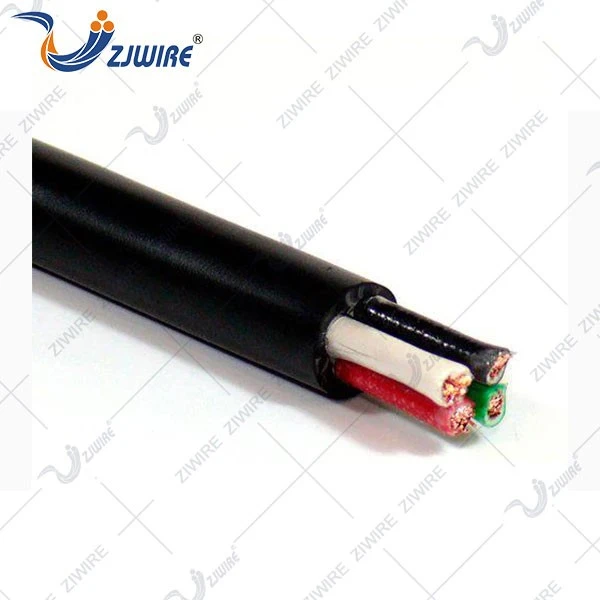
The first step in testing the quality of double sheathed cables is a simple visual inspection. You don't need any fancy equipment for this one. Just take a good look at the cable. Check for any visible damage to the outer sheath, like cuts, abrasions, or bulges. A damaged outer sheath can expose the inner layers to environmental factors, which can lead to a whole host of problems down the line.
Also, look at the color and texture of the sheath. A high - quality double sheathed cable should have a consistent color and a smooth texture. If you notice any discoloration or rough patches, it could be a sign of poor manufacturing or material issues.
Electrical Resistance Testing
Electrical resistance testing is a fundamental test for double sheathed cables. You'll need a multimeter for this test. First, make sure the cable is disconnected from any power source. Then, set your multimeter to the resistance setting.
Connect the multimeter probes to the two ends of the conductor inside the cable. The resistance value you get should be within the specifications provided by the manufacturer. If the resistance is too high, it could mean there's a break or a poor connection in the conductor. On the other hand, if the resistance is too low, it might indicate a short circuit.
Insulation Resistance Testing
Insulation resistance testing is another important test. This test measures the ability of the cable's insulation to resist the flow of electric current. A high insulation resistance is a good sign, as it means the insulation is doing its job of preventing current leakage.
To perform this test, you'll need an insulation resistance tester. First, make sure the cable is de - energized. Then, connect the tester to the conductor and the outer sheath. The tester will apply a voltage to the cable and measure the resistance. The insulation resistance value should be above a certain threshold, which is usually specified by the relevant standards.
Flame Resistance Testing
Flame resistance is a critical property for double sheathed cables, especially in applications where fire safety is a concern. There are different methods to test the flame resistance of cables. One common method is the vertical flame test.
In this test, a sample of the cable is held vertically and exposed to a flame for a certain period of time. After the flame is removed, the cable should self - extinguish within a specified time. If the cable continues to burn or spreads the fire, it fails the test.
Flexibility Testing
Double sheathed cables often need to be flexible, especially in applications where they need to be bent or moved. Flexibility testing involves bending the cable back and forth a certain number of times and then checking for any damage.
You can use a cable bending machine for this test. The machine will bend the cable at a specific radius and frequency. After a set number of bends, inspect the cable for any cracks, breaks, or other damage. A high - quality double sheathed cable should be able to withstand a reasonable number of bends without significant damage.
Temperature Resistance Testing
Cables can be exposed to a wide range of temperatures in different applications. Temperature resistance testing is important to ensure that the cable can perform well under various temperature conditions.
There are two main aspects of temperature resistance testing: high - temperature and low - temperature testing. For high - temperature testing, the cable is placed in an oven at a specified high temperature for a certain period of time. Then, it's checked for any signs of melting, deformation, or loss of electrical properties.
For low - temperature testing, the cable is placed in a freezer at a specified low temperature. After a certain time, the cable is removed and checked for brittleness or other cold - related damage.
Compliance with Standards
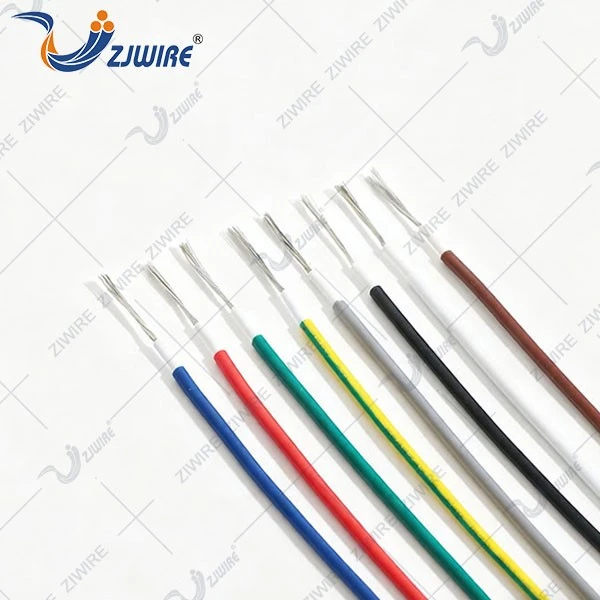
It's also crucial to check if the double sheathed cable complies with relevant industry standards. For example, the UL1672 Cable and UL1061 Cable have specific requirements that cables need to meet.
These standards cover various aspects such as electrical performance, mechanical properties, and safety features. By ensuring that your cable complies with these standards, you can be more confident in its quality.
Material Testing
The materials used in double sheathed cables play a big role in their quality. You can perform material testing to check the quality of the conductor, the insulation, and the outer sheath.
For the conductor, you can test its conductivity and purity. A high - quality conductor should have good electrical conductivity and a high level of purity. For the insulation and outer sheath, you can test their chemical composition, hardness, and other properties.
Conclusion
Testing the quality of double sheathed cables is a multi - step process that involves various tests. By performing these tests, you can ensure that the cables you're using or supplying meet the required standards and can perform well in different applications.
If you're in the market for high - quality double sheathed cables, or if you have any questions about cable testing, don't hesitate to reach out. We're here to help you make the right choice for your needs. Whether you're looking for UL1672 Cable, UL1061 Cable, or TSJ Cable, we've got you covered. Contact us today to start the procurement process and let's have a good chat about your cable requirements.


