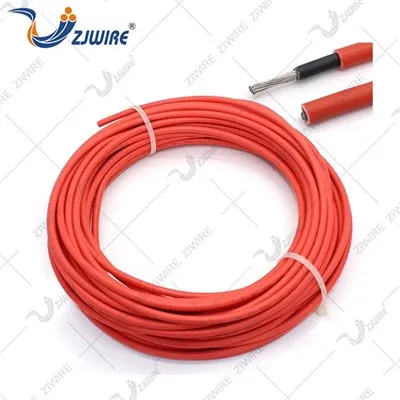
Is PVC Insulated Nylon Sheathed Cable Suitable for Lighting Circuits?
In the realm of electrical installations, the choice of cables is a crucial decision that can significantly impact the performance, safety, and longevity of lighting circuits. As a supplier of PVC insulated nylon sheathed cables, I am often asked whether these cables are suitable for lighting applications. In this blog post, I will delve into the characteristics of PVC insulated nylon sheathed cables and evaluate their suitability for lighting circuits.
Understanding PVC Insulated Nylon Sheathed Cables
PVC (Polyvinyl Chloride) is a widely used insulation material in the electrical industry due to its excellent electrical insulation properties, flexibility, and resistance to moisture, chemicals, and abrasion. Nylon, on the other hand, is a tough and durable material that provides an additional layer of protection to the cable. When combined, PVC insulation and nylon sheathing create a cable that is both reliable and long-lasting.
PVC insulated nylon sheathed cables are available in various sizes and configurations to meet the specific requirements of different applications. They are commonly used in a wide range of electrical systems, including residential, commercial, and industrial settings.
Advantages of PVC Insulated Nylon Sheathed Cables for Lighting Circuits
- Electrical Insulation: PVC is an excellent electrical insulator, which means that it can effectively prevent the flow of electricity between the conductors and the surrounding environment. This helps to ensure the safety of the lighting circuit and reduces the risk of electrical shocks and short circuits.
- Flexibility: PVC insulated nylon sheathed cables are highly flexible, making them easy to install in tight spaces and around corners. This flexibility also allows for easy bending and routing of the cables, which can save time and labor during installation.
- Durability: The nylon sheathing provides an additional layer of protection to the cable, making it more resistant to abrasion, impact, and environmental factors such as moisture and UV radiation. This helps to extend the lifespan of the cable and reduces the need for frequent replacements.
- Flame Resistance: PVC is a flame-resistant material, which means that it can help to prevent the spread of fire in the event of an electrical fault. This is an important safety feature, especially in lighting circuits where the risk of fire is relatively high.
- Cost-Effective: PVC insulated nylon sheathed cables are generally more cost-effective than other types of cables, making them a popular choice for lighting circuits in both residential and commercial applications.
Considerations for Using PVC Insulated Nylon Sheathed Cables in Lighting Circuits
While PVC insulated nylon sheathed cables offer many advantages for lighting circuits, there are also some considerations that need to be taken into account.


- Voltage Rating: It is important to ensure that the cable has a voltage rating that is suitable for the lighting circuit. The voltage rating of the cable should be equal to or greater than the voltage of the lighting circuit to prevent overheating and other electrical problems.
- Current Capacity: The cable should have a current capacity that is sufficient to handle the electrical load of the lighting circuit. The current capacity of the cable is determined by its size and the type of insulation and sheathing used.
- Environmental Conditions: The cable should be suitable for the environmental conditions in which it will be installed. For example, if the cable will be exposed to moisture or extreme temperatures, it may be necessary to choose a cable with a higher level of protection.
- Installation Requirements: The cable should be installed in accordance with the manufacturer's instructions and local electrical codes. This includes proper grounding, termination, and protection against mechanical damage.
Comparison with Other Types of Cables
There are several other types of cables that are commonly used in lighting circuits, including UL10276 Cable, UL10503 Cable, and UL SJOOW. Each type of cable has its own advantages and disadvantages, and the choice of cable will depend on the specific requirements of the lighting circuit.
- UL10276 Cable: This cable is designed for use in low-voltage lighting applications and is typically used in residential and commercial settings. It has a PVC insulation and a nylon sheathing, which provides good electrical insulation and protection against abrasion and moisture.
- UL10503 Cable: This cable is designed for use in high-voltage lighting applications and is typically used in industrial and commercial settings. It has a PVC insulation and a nylon sheathing, which provides good electrical insulation and protection against abrasion and moisture.
- UL SJOOW: This cable is designed for use in outdoor and wet locations and is typically used in industrial and commercial settings. It has a rubber insulation and a neoprene jacket, which provides good electrical insulation and protection against abrasion, moisture, and UV radiation.
Conclusion
In conclusion, PVC insulated nylon sheathed cables are a suitable choice for lighting circuits in many applications. They offer excellent electrical insulation, flexibility, durability, flame resistance, and cost-effectiveness. However, it is important to consider the specific requirements of the lighting circuit, including the voltage rating, current capacity, environmental conditions, and installation requirements, when choosing a cable.
If you are considering using PVC insulated nylon sheathed cables for your lighting circuit, I encourage you to contact me to discuss your specific needs. As a supplier of high-quality PVC insulated nylon sheathed cables, I can provide you with the information and support you need to make an informed decision.