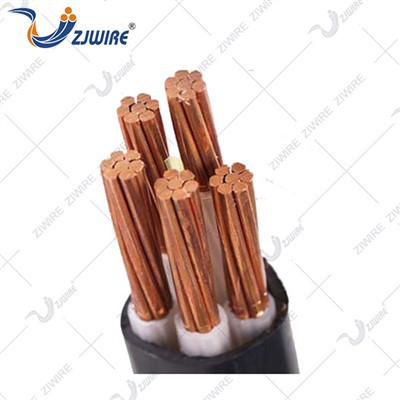
Durability is a crucial factor when it comes to selecting cables, especially in industrial and domestic applications where reliable performance over an extended period is essential. As a supplier of European standard cables, I understand the significance of cable durability and its impact on the overall efficiency and safety of electrical systems. In this blog, I will delve into what defines the durability of a European standard cable and explore the factors contributing to its long - lasting performance.
Understanding European Standard Cables
European standard cables are designed and manufactured in accordance with strict regulations set by European standards organizations such as the International Electrotechnical Commission (IEC) and the British Standards Institution (BSI). These standards ensure that cables meet specific requirements in terms of electrical conductivity, insulation, mechanical strength, and flame retardancy.
For instance, cables like the H05RN - F Cable are widely used in various applications due to their compliance with these standards. It is commonly employed for portable electrical equipment and is known for its flexibility and general - purpose use. Another well - known cable is the H07RN - F Class 5 flexible fine - stranded copper conductor, which is designed for more demanding applications where flexibility and durability are of utmost importance.
Factors Affecting the Durability of European Standard Cables
Conductor Material and Design
The conductor is the core part of the cable that carries electrical current. In European standard cables, high - quality copper is the most commonly used conductor material. Copper offers excellent electrical conductivity, which minimizes power loss during transmission. It also has good ductility, meaning it can be easily drawn into fine strands without breaking.
The stranded design of the conductor also plays a key role in durability. Stranded conductors, such as those in H07V - K Fine - stranded flexible conductor (Class 5), are more flexible than solid conductors. This flexibility allows the cable to withstand repeated bending and twisting without causing damage to the conductor. Over time, a flexible conductor is less prone to fatigue and breakage, ensuring a longer service life for the cable.
Insulation Material
Insulation serves to protect the conductor from external influences such as moisture, chemicals, and physical damage. European standard cables use a variety of insulation materials, each with its own set of properties.
For example, polyvinyl chloride (PVC) is a widely used insulation material due to its low cost, good electrical insulation properties, and resistance to moisture. However, for more demanding applications, materials like ethylene propylene rubber (EPR) or cross - linked polyethylene (XLPE) may be used. These materials offer better thermal stability, higher resistance to chemicals, and improved mechanical strength. The H05VVD3H6 - F cable may use advanced insulation materials to ensure long - term durability in harsh environments.
Sheathing Material
The sheathing is the outermost layer of the cable, providing protection against abrasion, impact, and environmental factors. European standard cables often have sheaths made of PVC, thermoplastic elastomers (TPE), or polyurethane (PUR).
PVC sheaths are cost - effective and offer good general - purpose protection. TPE sheaths provide a good balance between flexibility and durability, making them suitable for applications where the cable needs to be bent or moved frequently. PUR sheaths, on the other hand, are known for their high abrasion resistance, chemical resistance, and mechanical strength. Cables like the H07V - F Flexible Cord Class5 may feature a high - quality sheath material to enhance its durability in tough working conditions.
Environmental Conditions
The durability of a cable is significantly affected by the environmental conditions in which it is used. Factors such as temperature, humidity, UV exposure, and chemical exposure can all impact the performance and lifespan of the cable.
European standard cables are designed to withstand a wide range of environmental conditions. For example, cables used in outdoor applications are often UV - resistant to prevent the degradation of the insulation and sheathing materials caused by sunlight. In high - temperature environments, cables with heat - resistant insulation and sheathing materials are required to ensure reliable operation. Similarly, in areas where there is a risk of chemical exposure, cables with chemical - resistant materials should be used.
Testing and Certification
To ensure the durability of European standard cables, they undergo a series of rigorous tests and certifications. These tests evaluate the cable's performance in various aspects, including electrical conductivity, mechanical strength, and fire resistance.


For example, the cable may be tested for its tensile strength, which measures its ability to withstand pulling forces without breaking. Bending tests are also conducted to assess the cable's flexibility and resistance to fatigue. Additionally, fire - testing is crucial to ensure that the cable meets the required safety standards in case of a fire.
Certifications such as CE (Conformité Européene) indicate that the cable has met the relevant European safety, health, and environmental protection requirements. These certifications give customers confidence in the durability and reliability of the cables.
Importance of Durable Cables
Durable cables are essential for several reasons. Firstly, they reduce the need for frequent replacements, which can save both time and money in the long run. Secondly, they ensure the safety of electrical systems by minimizing the risk of electrical faults, such as short - circuits and leakage currents. In industrial settings, a cable failure can lead to significant downtime and production losses. Therefore, investing in durable cables is a wise decision for both businesses and consumers.
Working with a Reliable Supplier
As a supplier of European standard cables, I am committed to providing high - quality and durable products. We source our materials from trusted suppliers and follow strict manufacturing processes to ensure that our cables meet or exceed European standards.
Our team of experts is also available to provide technical support and advice on cable selection. Whether you need cables for a small domestic project or a large - scale industrial application, we can help you find the most suitable cable based on your specific requirements.
If you are in need of European standard cables, I encourage you to reach out for a procurement discussion. We can work together to understand your needs and provide you with the best cable solutions.