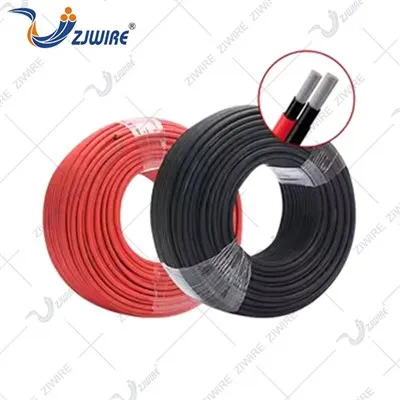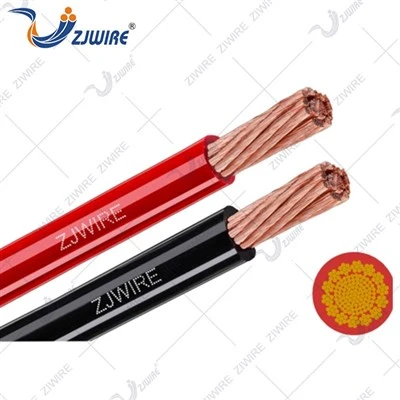
When it comes to house wiring, one crucial aspect that often gets overlooked is the minimum clearance required from other objects. As a house wiring supplier, I've seen firsthand how neglecting this can lead to significant problems down the road. In this blog post, I'll dive into why minimum clearances matter, what the guidelines are, and how they apply to different types of wiring, such as the RV Cable, ZC-BVR Cable, and ZR-RVS Cable.
Why Minimum Clearance Matters
First off, let's talk about why having the right clearance for your house wiring is so important. Safety is the top reason. Electrical wiring generates heat when it's in use. If there isn't enough space between the wires and other objects, this heat can build up. That buildup can cause insulation to deteriorate faster, increasing the risk of short circuits and electrical fires.
Another reason is for maintenance and inspections. With proper clearance, it's easier to check the wiring for any signs of damage or wear. Electricians can more easily access the wiring, which means they can identify and fix potential issues before they become major problems.
Factors Affecting Minimum Clearance
Several factors determine the minimum clearance required for house wiring.
Type of Wiring
Different types of wiring have different insulation ratings and heat dissipation capabilities. For example, the RV Cable is designed for use in recreational vehicles. It generally needs to have proper clearance to ensure it doesn't overheat, especially in the confined spaces of an RV. Meanwhile, ZC-BVR Cable and ZR-RVS Cable are used in residential settings. Their design and insulation properties influence the amount of space they need around them to operate safely.
Amperage
The amount of current (amperage) flowing through the wires matters. Higher amperage wires generate more heat. So, they typically require more clearance to dissipate that heat effectively. For instance, wiring for large appliances like electric ranges or air conditioners will need greater clearance than wiring for small lamps.
Location
Where the wiring is installed also affects the clearance requirements. In areas with poor ventilation, such as inside walls or crawl spaces, wires need more clearance to prevent heat buildup. On the other hand, in well - ventilated areas like attics with fans, the clearance requirements might be slightly less strict.
General Guidelines for Minimum Clearance
While specific codes can vary depending on your location, here are some general guidelines that are widely followed.
Clearance from Combustible Materials
Wiring should be kept a safe distance from combustible materials like wood framing, insulation, and cardboard boxes. A common rule of thumb is to maintain at least 1 - 2 inches of clearance. This helps prevent the heat from the wires from igniting the combustibles. For example, if you're running ZR-RVS Cable through a wall stud, make sure it's not in direct contact with the wood and has enough space around it.
Clearance from Metal Objects
Metal can conduct heat and electricity. So, wiring should be kept away from metal pipes, ducts, and structural members. At least 1 - 1.5 inches of clearance is usually recommended. This prevents any potential short circuits that could occur if the wires were to come into contact with metal and also reduces the risk of the metal heating up due to the proximity of the live wires.
Clearance in Junction Boxes
Junction boxes are used to connect wires together. Inside a junction box, there should be enough space for the wires to be properly installed and connected. Typically, there should be at least 3 inches of free space around the wires to allow for easy access and to minimize the risk of overheating.
Outdoor Wiring Clearance
For outdoor wiring, special considerations apply. It should be kept clear of foliage, as plants can retain moisture and cause damage to the insulation. A clearance of at least 3 - 6 inches from trees and bushes is advisable. Also, outdoor wiring should be protected from physical damage. If it's running along the side of a building, it should be at least 6 inches above the ground to prevent contact with water and debris.
Case Studies: Importance of Minimum Clearance
Let me share a couple of real - life examples to drive home the importance of minimum clearance.


One time, a customer had installed ZC-BVR Cable in a tight crawl space without following the proper clearance guidelines. The cables were packed closely together and were in direct contact with the insulation. Over time, the heat buildup caused the insulation to melt, leading to a short circuit. This not only tripped the circuit breaker but also damaged the wiring and the insulation. Repairing the damage was costly and time - consuming.
In another instance, an RV owner didn't leave enough clearance around the RV Cable in the electrical compartment. Due to limited space and improper ventilation, the cable overheated. This resulted in a blown fuse and a loss of power to some of the RV's electrical systems. The owner had to replace the damaged cable and make some modifications to improve the ventilation in the compartment.
Working with a House Wiring Supplier
As a house wiring supplier, I understand that navigating the complexities of wiring clearances can be challenging. That's why we're here to help. We can provide you with detailed information about the clearance requirements for different types of wiring, including the RV Cable, ZC-BVR Cable, and ZR-RVS Cable.
Our team of experts can also give you advice on how to install the wiring properly to ensure it meets all the safety standards. We stock a wide range of high - quality wiring products that are designed to perform well within the recommended clearance guidelines.
If you're planning a house wiring project, whether it's a new construction or a renovation, don't hesitate to reach out to us. We can help you select the right wiring for your needs and provide you with all the support you need during the installation process.
Conclusion
In conclusion, minimum clearance for house wiring is not something to be taken lightly. It's a critical factor in ensuring the safety and longevity of your electrical system. By following the proper clearance guidelines and using high - quality wiring like our RV Cable, ZC-BVR Cable, and ZR-RVS Cable, you can avoid many potential electrical problems.
If you have any questions about house wiring or need to discuss your procurement needs, feel free to contact us. We're here to assist you in making the best choices for your electrical projects.